
Search engine optimization is constantly evolving. What is popular today might not be relevant tomorrow, and what was effective last year might be outdated today. As we move through 2026, artificial intelligence, shifting user habits, and Google’s constant algorithm changes are driving the SEO landscape’s rapid evolution.
Keeping up with SEO trends is essential to the survival of companies that invest in organic search visibility. The tactics that dominate search results now are very different from those that were effective even two years ago. Businesses that are thriving online can be distinguished from those that are watching rivals gain market share by comprehending and putting current SEO trends into practice.
Why You Must Know the Current SEO Trends
Before diving into specific trends, it’s crucial to understand why staying current with SEO developments isn’t just recommended; it’s essential for business survival and growth.
Read More Also
Why You Need Technical SEO Audit Service
Your Competitors Are Already Adapting
While you’re reading this, your competitors are implementing the latest SEO strategies. Every day you delay adopting current best practices is another day they capture market share, rank higher for valuable keywords, and convert customers who should be finding you instead. The businesses dominating search results in 2026 aren’t necessarily the oldest, largest, or most established; they’re the ones that adapted fastest to algorithmic changes and user behavior shifts.
Algorithm Updates Can Devastate Unprepared Businesses
Google releases thousands of algorithm updates annually, with several major core updates that dramatically reshape rankings. Businesses ignoring SEO trends often wake up to catastrophic traffic drops after algorithm updates, watching revenue plummet overnight.
User Behavior Evolves Constantly
SEO isn’t just about algorithms; it’s about users. How people search, what devices they use, what content formats they prefer, and what triggers conversions all evolve continuously. Strategies optimized for yesterday’s user behaviors fail with today’s audiences.
Consider these behavioral shifts: Voice search adoption has exploded, requiring optimization for conversational queries. Video consumption now dominates, with users preferring video explanations over text for many topics. Mobile browsing surpassed desktop, making mobile first optimization mandatory. Zero click searches mean users often get answers without visiting websites, requiring new visibility strategies.
ROI Depends on Efficiency
Outdated SEO tactics waste money and resources on strategies that no longer work. Knowing current trends helps you allocate budgets efficiently, investing in high impact activities while avoiding dead end tactics.
Technology Creates New Opportunities
SEO trends often reflect technological advancements opening new opportunities for visibility and traffic. Early adopters of new platforms, formats, and strategies capture disproportionate benefits before markets become saturated.
AI tools now enable content creation at scales previously impossible. Advanced analytics provide insights that were unattainable five years ago.
Penalties Are Harder to Recover From
Google’s penalty mechanisms have become more sophisticated and severe. Sites violating guidelines face manual penalties or algorithmic devaluations that can take months or years to recover from, if recovery is even possible.
Understanding current trends includes knowing what practices to avoid.
Your Investment Needs Protection
Most businesses have already invested significantly in their websites, content, and digital presence. These assets require ongoing optimization to maintain value. Websites optimized for 2024 trends but neglecting 2026 developments lose effectiveness, making past investments less valuable.
The Pace of Change Is Accelerating
Perhaps most importantly, SEO evolution is accelerating, not stabilizing. The gap between current best practices and outdated strategies widens faster than ever before. What worked 18 months ago might be completely ineffective today.
Your Business Goals Demand It
Ultimately, knowing current SEO trends matters because your business goals depend on online visibility. Whether you want to generate leads, drive e-commerce sales, build brand awareness, or establish thought leadership, search engine rankings directly impact your ability to achieve these objectives.
The question isn’t whether you can afford to stay current with SEO trends; it’s whether you can afford not to. Every day operating with outdated strategies is a day of lost opportunity, competitive disadvantage, and unrealized potential.
This is exactly why partnering with experts who live and breathe SEO makes strategic sense. Infinite Ville’s expert team is one of them.
Let’s discuss how we can keep you ahead of the curve.
Essential SEO trends in 2026
AI-Generated Content and Search Generative Experience (SGE)
The biggest disruption in search history arrived when Google launched Search Generative Experience, fundamentally changing how users interact with search results. Instead of clicking through to websites, many searchers now receive AI-generated answers directly in search results, synthesized from multiple sources.
The Impact on Traditional SEO
SGE doesn’t eliminate the need for SEO; it transforms it. Websites still power the AI-generated responses, but visibility now requires different optimization approaches. Being cited as a source in SGE answers provides brand exposure and establishes authority, even when users don’t click through to your site.
The businesses succeeding in this new paradigm optimize for being included in AI-generated responses by creating comprehensive, authoritative content that directly answers specific questions. Structured data implementation has become more critical than ever helping AI understand and categorize your content accurately.
Optimizing for SGE
Create Comprehensive Topic Coverage: Surface level content no longer cuts it. Deep, thorough exploration of topics increases the chances of being cited in AI responses. Cover questions from every angle, provide context, and include supporting data.
Implement Advanced Structured Data: Schema markup tells AI exactly what your content covers. Product schema, FAQ schema, how to schema, and article schema all help AI understand and potentially cite your content.
Focus on E-E-A-T Signals: Experience, Expertise, Authoritativeness, and Trustworthiness matter more than ever. Google’s AI prioritizes content from recognized authorities. Author credentials, citations, and reputation signals determine whether your content gets included in generated responses.
Optimize for Conversational Queries: SGE responds to natural language questions. Optimize content for how people actually talk, not just keyword strings. Question based content formats align perfectly with SGE’s conversational nature.
The Rise of AI Content Detection
As AI writing tools became ubiquitous, Google refined its ability to detect low quality AI-generated content. The algorithm now penalizes thin, generic AI content lacking original insights, analysis, or expertise.
However, AI-assisted content creation remains valuable when humans provide expertise, insights, and editing. The winning formula combines AI efficiency with human expertise, using AI for research, outlines, and drafts while adding the unique perspective, data, and experience humans provide.
Quality indicators Google watches include: Original research or data, expert analysis and insights, real world examples and case studies, unique perspectives not available elsewhere, and depth of coverage beyond what AI could generate without human input.
Zero-Click Searches and Visibility Strategies
Zero click searches, queries answered directly in search results without requiring users to click any websites, now represent over 60% of all searches. Featured snippets, knowledge panels, local packs, and AI-generated responses satisfy users without sending traffic to websites.
Adapting to Zero Click Reality
While this seems devastating, smart SEO strategies turn zero click searches into opportunities:
Brand Visibility Still Matters: Even without clicks, appearing in featured snippets, knowledge panels, or SGE responses provides massive brand exposure. Users see your business name associated with authoritative answers, building awareness and credibility.
Optimize for Mixed Intent: Some queries require deeper exploration than snippets provide. Structure content guiding users from quick answers to comprehensive information only your site provides.
Capture Featured Snippets Strategically: While featured snippets reduce clicks for informational queries, they drive traffic for commercial intent searches. Optimize for snippets on topics leading to conversions, not just visibility.
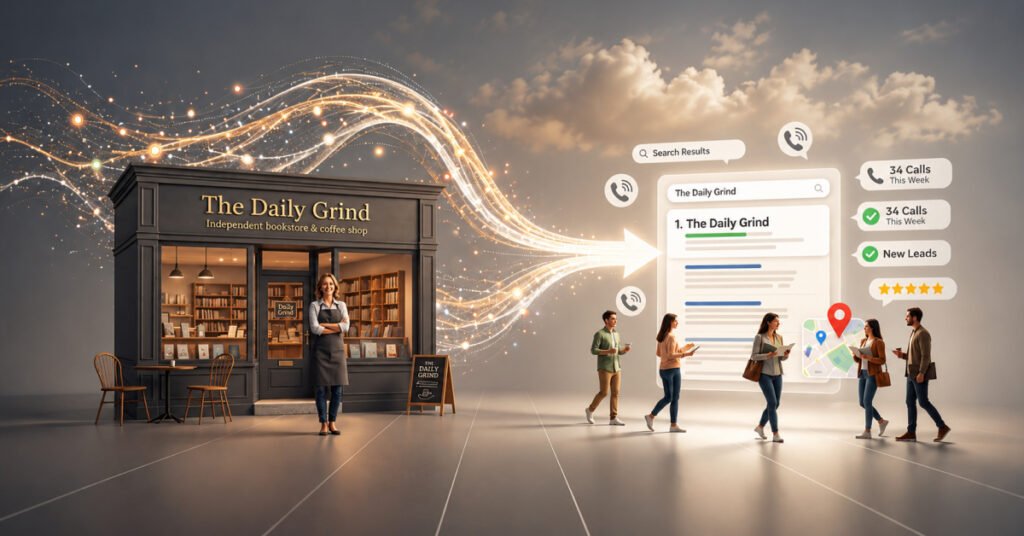
Leverage Local Pack Presence: For local businesses, appearing in the local 3 pack drives calls, direction requests, and visits even when users don’t click through to websites. Google Business Profile optimization becomes more critical than traditional website SEO for local visibility.
Create Content for Multiple Journey Stages: Quick answers serve the awareness stage. Detailed guides serve consideration. Comparison content serves decision making. Comprehensive content strategies address entire customer journeys, capturing users at different stages.
Video Content Dominance in Search Results
Video has exploded from nice to have content to an essential SEO asset. Google increasingly features video results for informational, commercial, and transactional queries. YouTube’s integration with Google search means video content often outranks traditional text content.
Mobile users particularly favor video, which is easier to consume on small screens than reading lengthy text. As mobile search dominates (now over 70% of all searches), video optimization becomes non negotiable.
Video SEO Best Practices
YouTube Optimization: YouTube functions as the second largest search engine. Optimize video titles, descriptions, and tags for target keywords. Create detailed transcripts and use chapters marking key topics. Engage viewers to boost watch time and retention, critical ranking factors.
Video Embedding on Websites: Embed videos on relevant pages, providing text content around them. This combination satisfies both video preferring users and those wanting text. Videos increase time on site and reduce bounce rates, positive ranking signals.
Video Schema Markup: Implement VideoObject schema, helping Google understand video content and potentially feature it in rich results.
Short Form Video Integration: TikTok style short videos now appear in Google search results. Create short form content addressing quick questions or demonstrating products, optimizing for both social platforms and search visibility.
Thumbnail Optimization: Compelling thumbnails dramatically improve click through rates. Design custom thumbnails that accurately represent content while grabbing attention.
Entity Based SEO and Semantic Search
Google’s understanding has evolved beyond keywords to entities: people, places, things, and concepts. The search engine now understands relationships between entities, context, and user intent at sophisticated levels keyword matching never achieved.
Moving Beyond Keyword Targeting
While keywords remain important, obsessing over exact match keywords misses the bigger picture. Google understands synonyms, related concepts, and contextual meaning. Content optimized for topics and entities outperforms content stuffed with keyword variations.
Entity optimization involves: Establishing your business as a recognized entity through consistent NAP (Name, Address, Phone) across the web, building knowledge panel presence, earning mentions on authoritative sites, creating comprehensive topic coverage, establishing topical authority, and using semantic HTML and structured data to clarify entity relationships.
Building Topical Authority
Rather than targeting random keywords, successful SEO now requires dominating entire topics. Comprehensive coverage of related subtopics, questions, and concepts signals expertise to Google.
Topic cluster strategy: Create pillar content covering broad topics comprehensively. Build cluster content addressing specific subtopics in depth. Link cluster content to pillars and between related pieces. This internal linking structure demonstrates topical organization and authority.
Businesses establishing themselves as authoritative sources on specific topics rank higher for all related queries, not just exact keywords they target.
InfiniteVille specializes in building topical authority through comprehensive content strategies that establish your business as the go to resource in your industry. Our entity based SEO approach helps you dominate entire topic areas, not just individual keywords. Let’s discuss building your topical authority strategy.