
Your website could be losing traffic, leads, and revenue right now ,and you might have no idea it’s happening. This is the uncomfortable reality for most businesses that have not done a thorough website audit recently. Many websites have hidden problems that go unnoticed for months, like slow pages, broken links, or outdated content. Even small issues can hurt your search performance more than you might think. For example, one e-commerce brand lost 95% of its organic traffic overnight after a site redesign caused technical problems. Their average monthly visitors dropped from 655 to just 32 because of crawlability barriers, index problems, and broken sitemaps issues that a proper audit would have caught before launch.
A website audit is a systematic process that evaluates your site across every area that affects performance, including technical infrastructure, on-page SEO, content quality, user experience, backlink health, local search visibility, and, in 2026, AI search readiness. When done thoroughly, an audit does more than just find problems. It gives you a clear action plan to turn your website from a liability into your most effective marketing asset.
A website audit is no longer just a technical task. In 2026, Google and AI-powered search systems look at websites as a whole. Businesses that recognize this and audit every aspect, not just technical SEO, are the ones that build a strong, lasting organic presence that growsHere is the complete checklist. Go through each step, fix any issues you find, and repeat the process every quarter.t again every quarter.
Why Regular Website Audits Are Non Negotiable in 2026
Before we get into the checklist, it is important to understand why auditing is now more important and more complex than ever.
The digital landscapThe digital landscape changes quickly, so regular audits give you a competitive edge for long term online success in 2026 and beyond. A thorough website audit finds performance, SEO, content, and user experience issues that can make visitors leave your site in seconds. In 2026, regular audits are essential for keeping your search visibility, user trust, and conversion rates strong as the digital world keeps changing.s higher than it used to be. Google’s crawl systems are more sophisticated. Core Web Vitals still matter a lot. And now you’ve got AI search engines like ChatGPT, Perplexity, and Google’s AI Overviews crawling your site too. If your technical foundation has gaps, you’re invisible in two ecosystems instead of one.
If your site takes more than three seconds to load, you will lose many potential visitors. Even a one second delay can lower conversions by up to 20%. Mobile users now make up over 70% of web traffic. These are not minor issues they are critical for any website that relies on organic traffic.
Perform a comprehensive technical SEO audit quarterly, with monthly checks on Core Web Vitals and critical issues. Major website changes, redesigns, or platform migrations should trigger immediate audits to prevent SEO issues.

Technical SEO Audit
Technical SEO forms the foundation of your website. Regardless of your content quality or backlink strength, technical issues can prevent search engines from crawling, indexing, and ranking your pages. Begin with technical SEO to ensure all other efforts are effective.
On-Page SEO Audit
Once technical foundations are in place, the on-page audit evaluates how well each page demonstrates relevance to search engines and communicates value to visitors.
If on-page issues are accumulating faster than you can address them, Infiniteville can manage your complete On-Page SEO Audit and Implementation. We audit, prioritize, and resolve every on-page issue affecting your rankings, from title tag rewrites to internal link structure.
Content Quality
Quality content remains essential. Your website should align with search intent and remain readable, avoiding duplicate or thin content. The content audit assesses whether your content drives traffic, satisfies search intent, builds topical authority, and supports your business’s conversion goals.
Search Engine Optimization Strategies That Actually Work in 2026
User Experience (UX) Audit Checklist
Google uses behavioral signals such as time on page, bounce rate, pages per session, and scroll depth to determine if your content meets user intent. A UX audit evaluates whether your site engages visitors and guides them toward desired actions.
Local SEO Audit Checklist
For businesses targeting specific geographic markets, the local SEO audit often reveals the most impactful improvements. Local search visibility directly drives calls, store visits, and service inquiries that lead to revenue.
AI Search Readiness Audit Checklist
A comprehensive website audit checklist in 2026 covers five core areas: technical SEO, on-page optimization, user experience, content quality, and AI visibility. Strong performance in these areas improves rankings, conversions, and visibility in AI-driven search results.
AI-powered search, including Google AI Overviews, ChatGPT, Perplexity, and similar systems, is now a significant source of traffic and brand visibility. This area requires a dedicated audit focus.
Website Conversion Audit Checklist
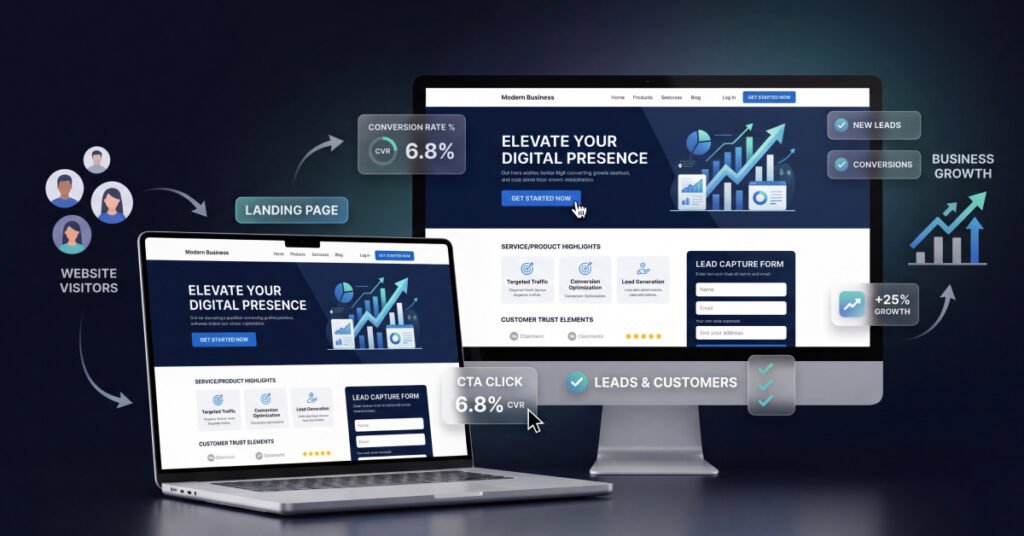
A website that ranks well but converts poorly fails to realize its full potential. The conversion audit assesses whether your site effectively turns visitors into leads and uses Google Analytics 4 to identify pages with high bounce rates, low time on page, and low conversion rates. Prioritize these pages for improvement, as visitors are leaving without taking desired actions. Review each for UX, content, and CTA issues that may cause abandonment Endowment.
Ready to turn your website audit findings into actionable improvements? Infiniteville can implement your full Website Audit Action Plan. We address every item on your audit list, from technical SEO repairs and content rewrites to landing page optimization and local SEO implementation.

How Often Should You Run a Website Audit?
A comprehensive website audit is recommended at least quarterly. This schedule helps identify and address issues before they affect site performance. For fast-moving industries or frequent content updates, monthly reviews may be more effective.Events should trigger an immediate audit: any major website redesign or platform migration, any significant drop in organic traffic or rankings, any manual action notification from Google Search Console, and any major Google algorithm update. Major website changes, redesigns, or platform migrations should trigger immediate audits to prevent SEO issues.
When an audit reveals issues, prioritize addressing Core Web Vitals failures, mobile usability errors, HTTPS security issues, crawl errors that prevent indexation, and broken internal links. These directly affect search rankings and user experience and should be resolved before lower priority items.